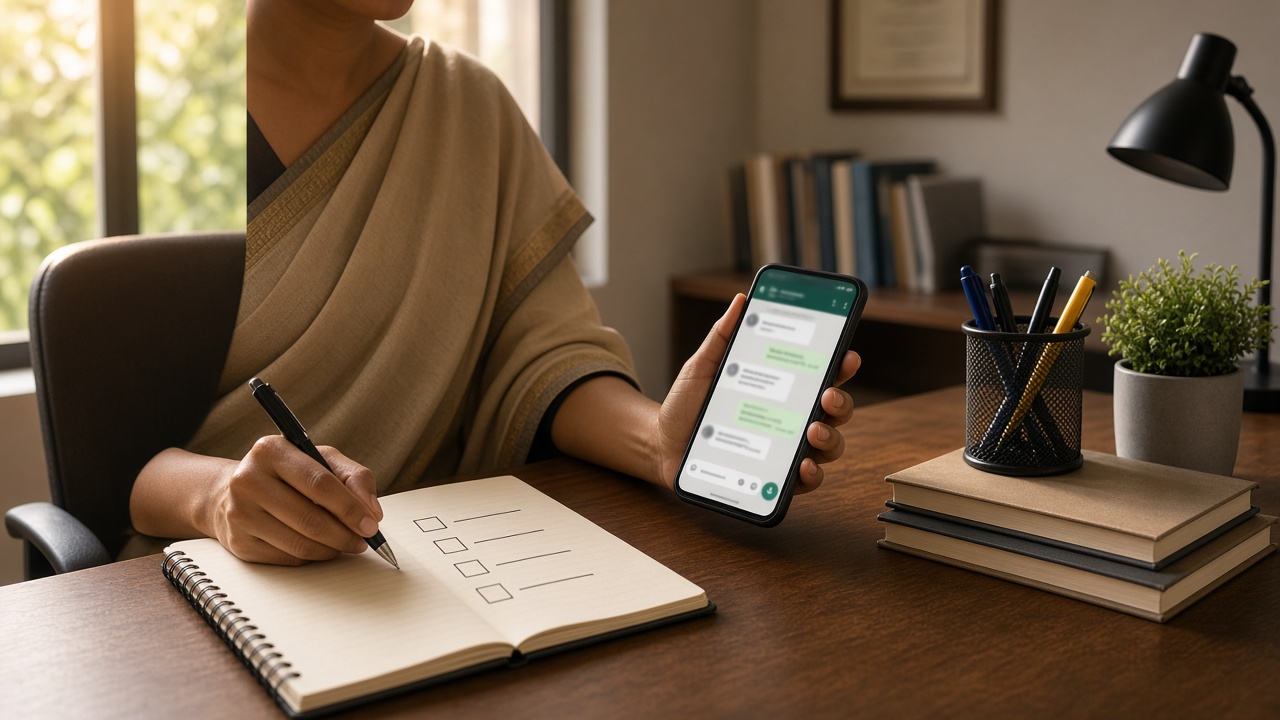

Fee discussion WhatsApp follow up is where coaching admissions teams either close the seat or lose the parent to a competitor who sent one clear message while your counsellor was on another call. Swayam (the admissions and coaching revenue ops CRM, not the government MOOC portal) sees the same pattern every March: demos done, interest real, then silence because nobody owns the fee thread on one timeline.
Parents rarely ghost at fee stage because they hate your institute. They stall while comparing batches, scholarships, and instalment math. Your job is not another generic "any update?" ping. It is a short, documented sequence on the lead record so managers can see who went quiet before the batch fills.
What is fee discussion WhatsApp follow up in coaching admissions?
Fee discussion WhatsApp follow up is the structured messaging and call plan you run after a parent has seen fees, instalments, or scholarship options and has not paid or confirmed the seat. It runs on the same WhatsApp thread (or Business API chat) tied to one counsellor owner, with timestamps logged on the lead, not scattered across personal phones. Most Indian coaching teams need three to six touches across 48–72 hours at this stage, not one polite reminder. Treat it as a pipeline stage with tasks, not as "counsellor will remember."
Fee-stage leads often sit untouched while the team chases fresh Meta form fills. The leak is warm parents who trusted your demo but never got a crisp answer on EMI, refund policy, or batch switch rules.
Why do leads go cold after fees are shared?
Three operational failures show up again and again in mid-size coaching setups (roughly 80–400 enquiries a week in peak season).
First, the fee PDF goes out without context. A file drop on WhatsApp forces the parent to decode tables alone. They screenshot it, send it to a spouse, and reply two days later while your CRM still shows "Connected."
Second, ownership blurs. One counsellor ran the demo; another shares the fee sheet from a shared inbox; a third pings "sir any update?" because the lead appeared on a morning list. The parent gets duplicate or conflicting messages and stops replying to all of them.
Third, disposition habits kill retries. An unanswered call becomes "not reachable" in the sheet. Industry write-ups on admissions follow-up note that a large share of first dials go unanswered; teams without a retry rule abandon leads that would convert on touch four or five. We are not quoting a single national statistic here; the pattern matches what managers see when they replay 60 days of call logs.
More ad spend does not fix this. Treat fee discussion as a 72-hour playbook: WhatsApp as the primary lane, calls as booked tasks.
What does a 72-hour fee discussion WhatsApp playbook look like?
Use this as a default for JEE, NEET, foundation, or board-plus batches after fees have been shared and the parent has not confirmed payment. Adjust copy to your brand voice; keep the timing and ownership rules.
| Window | Owner action | WhatsApp / call goal |
|---|---|---|
| 0–2 hours | Demo counsellor | Short recap: batch name, fee headline, one next step (pay link, visit, or call slot). Log on lead. |
| Same day +4h | Same owner | Answer one predicted objection (EMI, refund window, batch change) in plain text, not another PDF. |
| Day 2 morning | Same owner | Call task 10 minutes; if no answer, WhatsApp voice note or text with two time slots for a 5-minute fee clarification call. |
| Day 2 evening | Same owner | Seat or batch reality check (only if true): which section is filling, without fake scarcity. |
| Day 3 | Owner + manager spot-check | Final structured message: what happens if they need 24 more hours, who to message, and what you need to hold the seat (if you hold seats). |
| Day 4+ | Manager review | Move to nurture or close lost with reason; do not leave "fee shared" forever. |
Pause automated nudges when the parent replies. A human should take over within minutes during working hours. If your team runs Meta lead ads into WhatsApp, the fee stage should still sit on the same record as the first autoresponder, so the counsellor sees demo notes before typing fee numbers.
Managers should skim this stage daily. If fee-stage leads have no logged touch in 48 hours, fix capacity or ownership before blaming lead quality.
How should counsellors write fee-stage WhatsApp messages?
Messages should reduce decision friction, not pressure. Parents are comparing three institutes with similar rank promises. Your edge is clarity and speed on money questions.
- Lead with the number they asked about (total, first instalment, or scholarship outcome), then batch name.
- One message, one ask: confirm instalment plan, book a five-minute call, or share a payment link.
- Never send a second fee PDF unless something changed; diff the change in text.
- If the student said "will discuss with parents," schedule the follow-up to the time they gave; see our earlier piece on parent discussion stalls for wording that does not nag.
Keep shared snippets for EMI, refund, and scholarship rules so fee quotes stay consistent. When you cannot discount, say so plainly and offer what you can (payment timing, materials). A clear no often keeps the thread alive.
What should managers measure at fee discussion stage?
Count leads in fee discussion with last touch older than 48 hours. Track demo-to-fee-shared rate (did every demo get a logged fee conversation?). Track fee-shared-to-enrolled by counsellor; the spread usually exposes training gaps, not "bad leads."
Pair WhatsApp with call tasks on the same timeline. WhatsApp alone fails when parents do not read long texts during work hours. A booked five-minute call after two short pings converts better than six identical "pls revert" messages.
If you import Meta leads or walk-ins into one admissions CRM, filter this stage every morning before assigning fresh cold names. Otherwise your best closers spend the day on ice-cold forms while fee-ready families cool off.
How long should you follow up on fee discussion before closing the lead?
Most coaching teams should run the structured 72-hour playbook above, then move to a lighter weekly nurture for two to three weeks if the intake date allows. Education purchases in India often take two to six weeks from first enquiry; fee stage is the late middle, not the end. Stopping after one unanswered call wastes demo cost you already paid.
Should fee discussion happen on personal WhatsApp numbers?
Personal numbers hide activity from managers and make handoffs messy when counsellors are on leave. Use Business API or a shared CRM-linked inbox where possible, with one owner per lead. If you must use personal phones temporarily, require a same-day log on the lead record or the data is fiction.
What is the biggest mistake after sharing a fee structure?
Treating the PDF as the follow-up. The file is not a conversation. The follow-up is a timed plan: recap, objection, call slot, seat truth, and a respectful close or nurture path. Teams that fix only response speed on new enquiries but ignore fee-stage SLAs often see flat enrollment despite higher ad spend.
Can WhatsApp templates help without sounding robotic?
Yes, if templates are shells with mandatory fields (batch, amount, counsellor name, callback time). Meta-approved templates matter for outbound after the 24-hour window on Business API. Inside the window, free-form text with personal detail beats broadcast tone. Automation should hand off to humans the moment a parent asks a non-standard fee question.
Where to go next
Fee discussion sits between demo energy and payment. If your team already runs a day-by-day WhatsApp sequence after first reply, plug this 72-hour block in as its own stage rather than folding it into "warm." For Meta-sourced enquiries, align timing with your Meta lead ads 48-hour follow-up playbook. For ownership rules when multiple counsellors share one inbox, read duplicate WhatsApp follow-up on coaching leads. Pipeline basics live in the admissions CRM 48-hour playbook.
If you want one place to see fee-stage leads, call tasks, and WhatsApp on the same record, you can explore Swayam pricing when it fits your team size. No rush; fix the playbook on a spreadsheet first if you need to prove the leak.